Hardwood Floors for Charleston Homes, From the Peninsula Outward
Home Team Flooring installs, refinishes and restores hardwood floors across Charleston, from South of Broad single houses to newer homes west of the Ashley River.
Hardwood Flooring Work Across Charleston
Home Team Flooring of Charleston, LLC has worked on floors in this city for 26 years, and owner Pat Hodges still walks every home himself. The work covers new floors, full sand-and-refinish jobs and the slow, careful restoration that older houses on the peninsula need. Builders, general contractors and homeowners all call one number and reach one person.
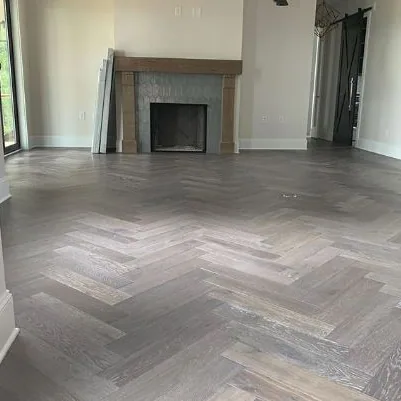
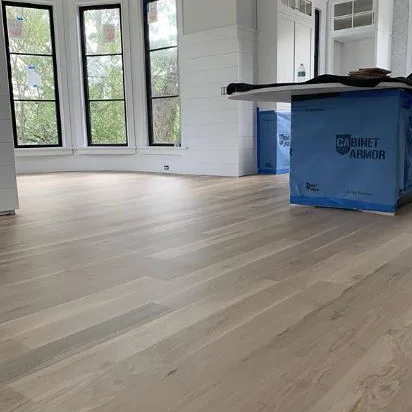
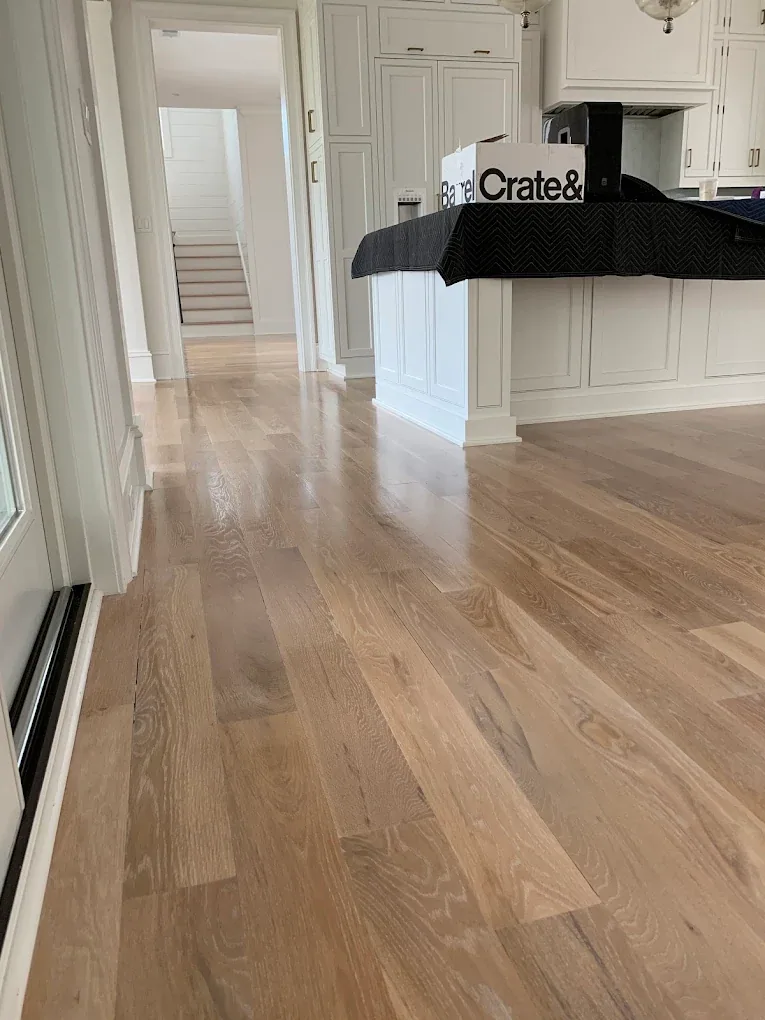
In a given month the crew might lay wide plank white oak in a new house, take a tired living room down to bare wood with hardwood floor refinishing, and set a herringbone or parquet pattern in a renovated dining room. Every one of those jobs gets premium finish systems and the same level of attention.
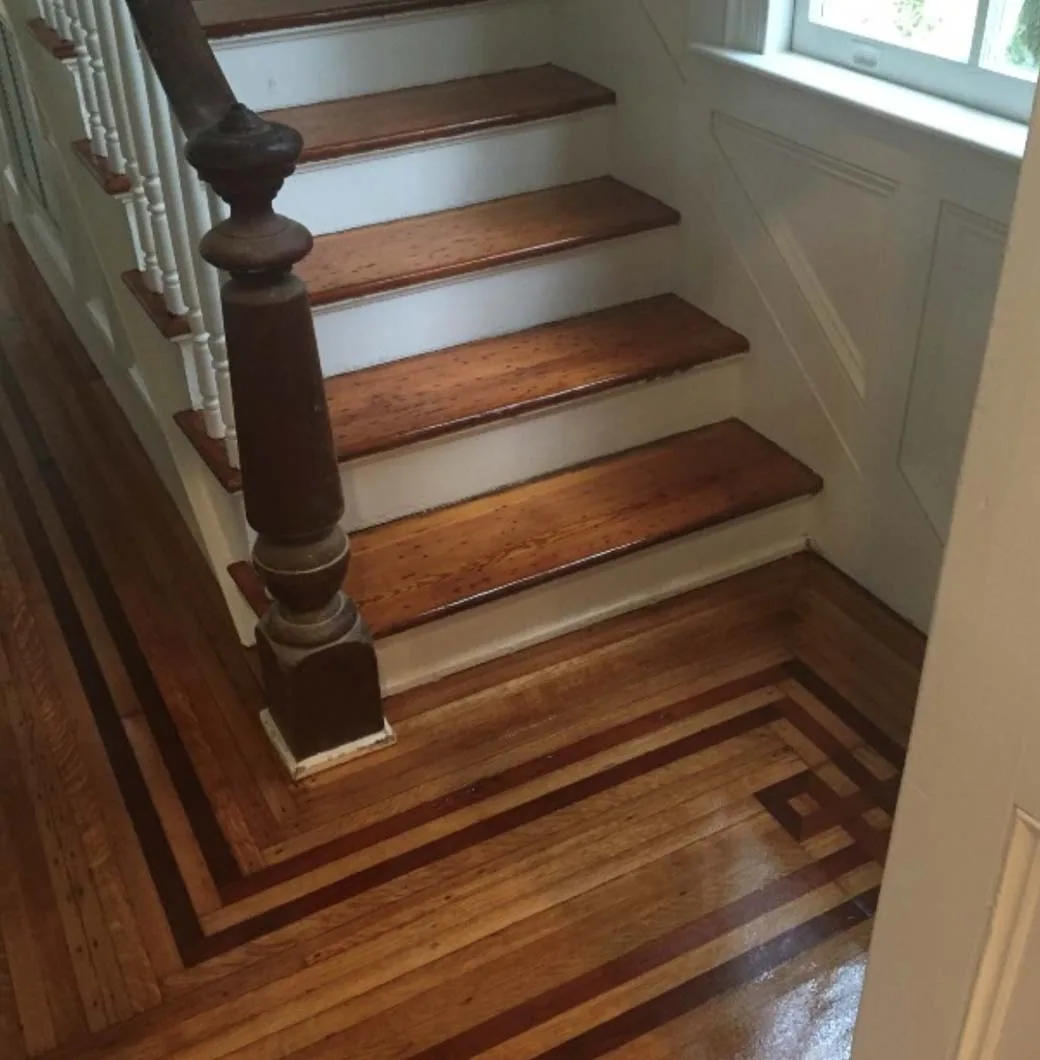
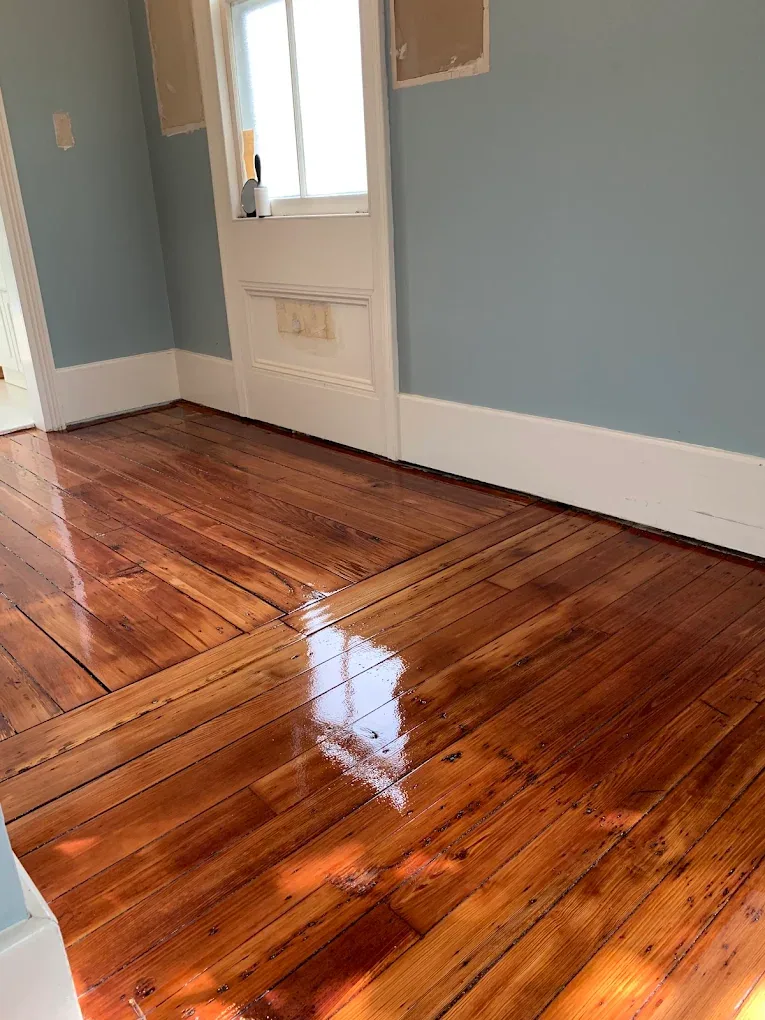
Older homes bring their own kind of work. Original boards in a downtown house are often worth saving, and heart pine floor restoration keeps that history underfoot instead of hauling it away.
Single Houses, Piazzas and Old Heart Pine on the Peninsula
The Charleston single house stands with its narrow end to the street and a long piazza down one side. Those piazzas were set to face south or west to catch the breeze off the water, which means many main rooms take strong afternoon light. Years of sun dry out and fade the finish near those windows first.
Many of the city's historic homes were built with heart pine, cut from old longleaf forests that are now mostly gone. In 19th-century Charleston houses, those boards were often an inch and a half thick and laid with no subfloor beneath them. That thickness leaves room to sand, though each pass still has to be planned with care.
South of Broad and in the older blocks north of it, owners usually want to keep the patina while making the floor sound and handsome again. Any reclaimed heart pine brought in has to match the old grain and color closely.
How Charleston Humidity and Storms Affect Wood Floors
Wood takes on moisture from the air, and Charleston air stays damp for much of the year. Boards swell in the muggy summer and give some of it back when the air conditioning runs hard. A floor put down before it has adjusted to the house can cup or open gaps within a season.
Hurricane season runs from June 1 to November 30, and heavy rain and high water can reach ground floors in the low parts of the peninsula. Raised homes stay drier, though the crawl spaces under them still hold humid air. Careful installation starts with checking moisture in the boards and the subfloor, and finish work is planned around the weather so each coat cures properly.
These steps take a little time at the start. They save a homeowner years of trouble later.
Which Floor Service Fits a Charleston Home?
The right job depends on the age of the floor, how much wood remains above the tongue, and the look the owner wants. Requests Pat hears most often in the city include:
- Sanding a worn floor to bare wood and changing its color
- Restoring original heart pine in a historic house
- Installing wide plank white oak in a renovation or new build
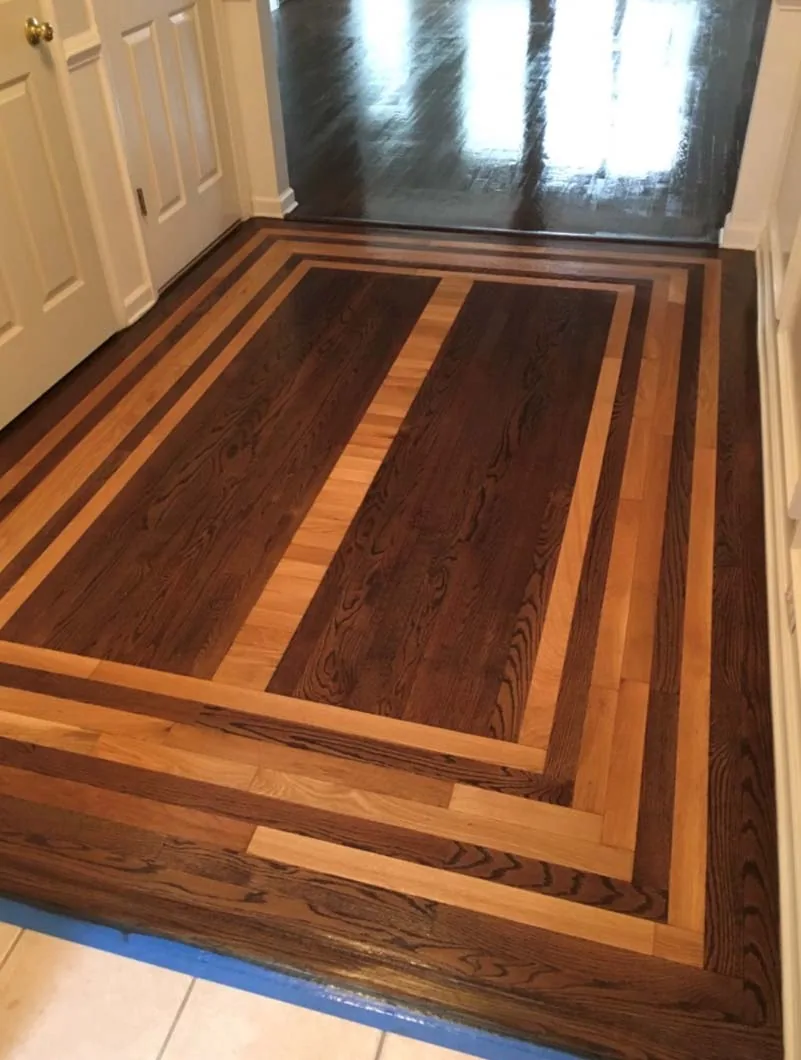
- Laying herringbone or parquet in a foyer or dining room
- Refinishing staircases, treads and risers to match new floors
A floor that is scratched and dull but still flat and sound may not need sanding at all. Hardwood floor resurfacing renews the finish and color across the whole floor without taking it to bare wood, and Pat will tell you honestly which approach your floor calls for.
Our Process for Charleston Floor Projects
Historic residences and new construction follow the same basic path, though the details change from one Charleston street to the next. A clear plan up front keeps the work on schedule.
-
Walkthrough and Estimate
Pat visits the house, looks at every room and checks the floor's thickness, age and condition. He explains your options in plain words and answers each question before you decide anything.
-
Planning Around the House
Downtown work needs a plan for parking, narrow side entries and the rooms your family still uses. Pat sets the order of rooms and the dates, so nothing comes as a surprise.
-
Installing, Sanding or Restoring
The crew does the core work, from laying new boards to sanding old heart pine only as much as it needs. Each stage is checked before the next one begins.
-
Finish Coats and Final Walk
Premium finish coats go on in the right conditions so they cure hard and even. Pat walks the finished floor with you and explains how to care for it.
Working With Pat Hodges, From Estimate to Final Coat
Pat is a Lowcountry native, originally from Savannah, who has called Charleston home for 26 years. He comes to the house himself, walks each room with you and answers every question. There is no call center and no salesperson, and he stays your contact until the last coat of finish is dry.
His installers and sand-and-finish craftsmen have worked beside him for 10 to 15 years. Pat holds NWFA, Loba and American Sanders certifications, and the company is a licensed South Carolina specialty contractor, bonded and insured. A 2,000-square-foot home typically takes three to four days, scheduled around your family.
The same team crosses the Ravenel Bridge for hardwood flooring in Mount Pleasant, takes the Connector to hardwood flooring on James Island and keeps busy in West Ashley. Every town is part of hardwood flooring across the Lowcountry.
Charleston Hardwood Floor Questions
Can old heart pine floors in a downtown Charleston house be sanded again?
Usually, yes. Many 19th-century Charleston floors were laid in thick heart pine, so there is often plenty of wood left to work with. Pat first looks for old nails, earlier sanding and soft spots, then plans a light, controlled sanding that keeps as much original wood and patina as possible. The goal is a sound floor that still shows its age in the best way.
Do you work in occupied homes on the peninsula?
Yes. Most downtown jobs happen while families still live in the house, and the crew plans the work room by room around your schedule. Narrow lots and tight street parking take some coordination, so Pat talks through access, equipment placement and which rooms will be closed off before the first day. You always know what happens next and when.
Should I refinish or replace the original floor in a historic Charleston home?
Refinishing is usually the better choice when the original wood is still sound. Old heart pine is strong and naturally resistant to rot and insects, and it carries history a new floor cannot copy. Replacing it makes sense only when the boards are too thin or badly damaged. Pat walks the floor with you, explains what he sees and gives you an honest recommendation.
Why does a new floor need time to adjust in a Charleston house?
Charleston's damp air changes the moisture content of wood, and boards that have not settled into the house can shrink or swell after they are nailed down. Letting the flooring adjust indoors, checking the subfloor and leaving proper room for movement all help prevent gaps and cupping. Raised homes also get a look underneath, since crawl space moisture can rise into the floor.
Bring Your Charleston Floors Back to Life
Whether your floors are two centuries old or still on the plans, Pat will walk them with you and tell you plainly what they need. Call (843) 817-6004 or schedule a consultation, Monday to Saturday, 9:00 AM to 5:00 PM.